


Tooth loss can detract from your daily quality of life in multiple ways. For instance, you might feel self-conscious about the changes in your looks, experience altered speech patterns, or develop gastrointestinal issues from struggling to bite and chew.
Your dentist can replace your missing teeth with dental implants, the only surgically embedded restorations in your jawbone for added strength and resilience. However, many patients are surprised to learn they need to undergo a sinus lift first. Continue reading to learn more about why this is sometimes required!
Why Do I Need a Sinus Lift for Dental Implants?
Unlike dentures and dental bridges, this treatment involves placing a titanium support rod directly into your jawbone, which eventually fuses with the material. That means you must have sufficient jawbone density to serve as a healthy foundation for your dental implants.
Unfortunately, your jawbone thins when teeth go missing because there are no roots to stimulate new bone growth with each bite down. Patients who have lost upper molars, developed a cyst or tumor, have suffered periodontal problems that exacerbated bone loss, or have a naturally large sinus cavity are likelier to lack a strong base to house their restoration. In these instances, your dentist might recommend a sinus lift to give your bone more room to grow.
What Happens During a Sinus Lift Procedure?
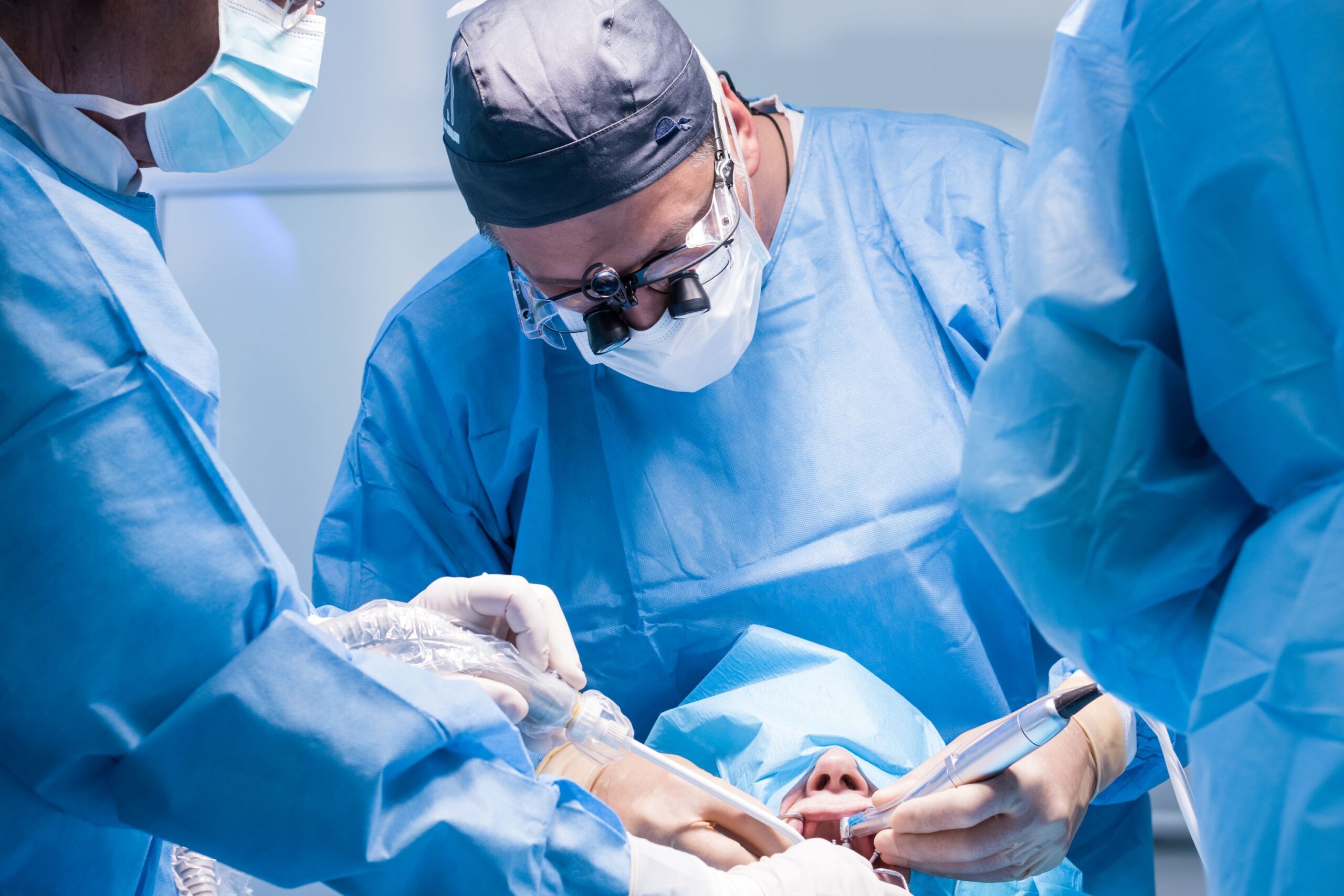
First, you’ll be numbed and sedated so you remain comfortable and calm the entire time. Then, your provider makes a small incision in the back of your gums to access the bone, then creates a “window” in the material to reveal the sinus cavity. Next, they lift the cavity membrane and fill it with bone graft material to strengthen your jaw. This can be sourced from your own body, a human or bovine donation, or synthetically created options like hydroxyapatite.
Finally, they’ll stitch your gums closed and provide post-op instructions to help you heal effectively without developing complications.
How Long Must I Wait to Proceed with Dental Implants?
It’s normal to feel sore and swollen for several days following your procedure, but if you experience persistent bleeding for more than two days or ongoing aches that get worse instead of better, call your dentist.
Then, it takes months to heal enough to proceed with dental implants because it takes time for the graft to integrate with your natural bone material. Many patients wait anywhere from 3 to 9 months before scheduling their next surgery to give their mouths time to recover and complete osseointegration.
If you’re unsure whether you’ll need a sinus lift for dental implants, the best way to learn is to consult your dentist about your desired treatment!
Meet the Author
Dr. Tuan Nguyen takes pride in helping people improve their daily lives by enhancing their oral health. He earned his Doctor of Dental Surgery from the University of Detroit Mercy School of Dentistry and is a valued member of several professional organizations, including the American Dental Association. He works with the best oral surgeons to ensure accurate implant placement, then uses state-of-the-art technology to provide lifelike restorations customized to match your natural smile. If you need to replace missing teeth, you can request an appointment on the website or by calling (469) 333-2733.